
SKILLS AWARDS PROGRAM
As the skills are progressive, young learners can look forward to being challenged and staying motivated throughout their learning journey with the Skills Awards Program
BENEFITS FOR LEARNERS
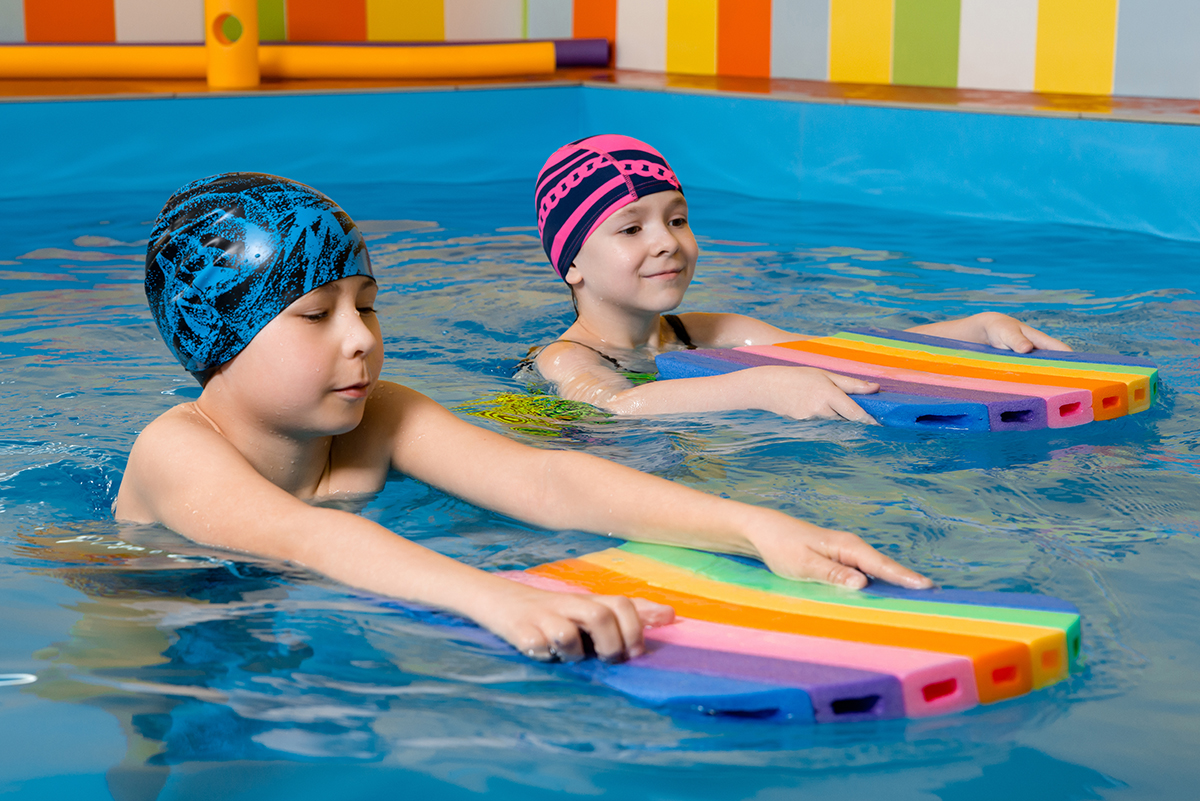
We acknowledge that learners can start learning to swim at various ages and at varied rates. Hence we have developed the stages to cater to their appropriate entry points and existing abilities with their skills in water.
BENEFITS FOR COACHES
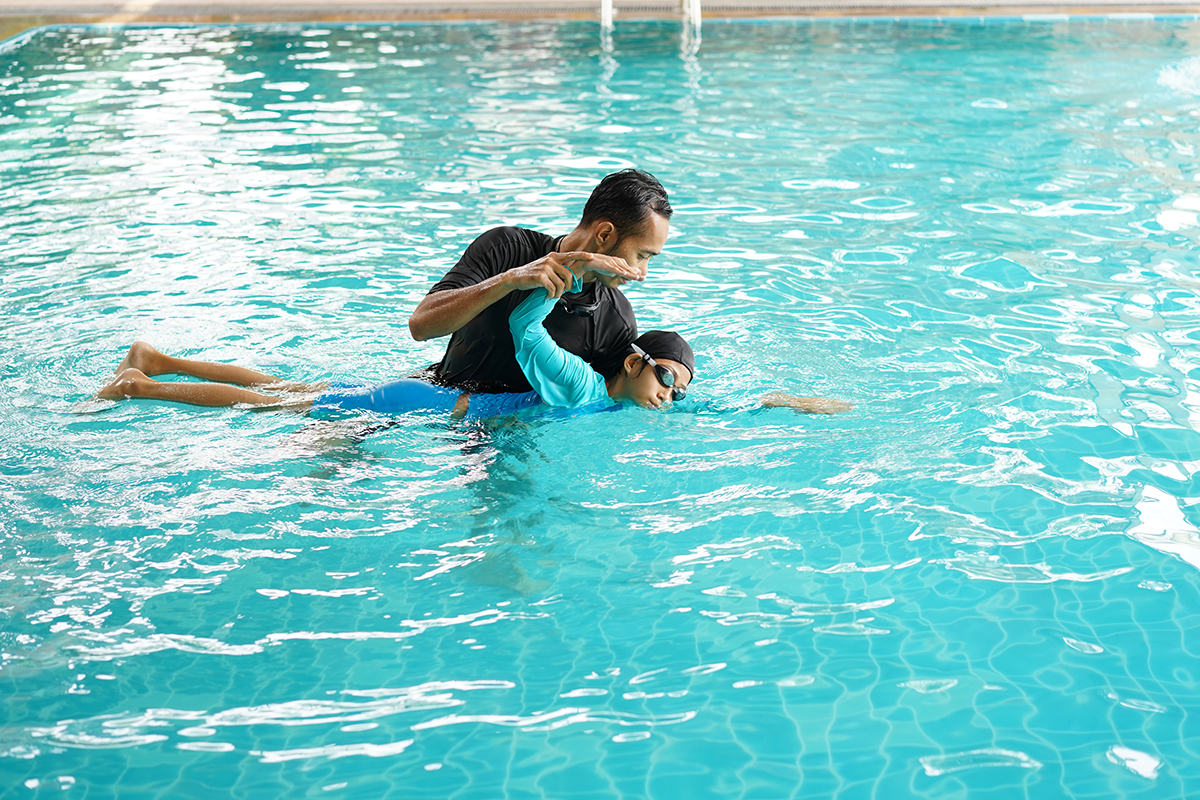
In addition, the awards not only keep learners motivated, it also creates greater opportunities for coaches to retain their learners and expand their coaching outreach and businesses.
THE AWARDS
The Swim Awards program offers a structured, competency-based pathway for swimmers of all levels. It focuses on progressive skill development, from basic water safety to advanced techniques.
Participants earn badges and certificates, motivating them to progress further. Instructors play a key role in both teaching and assessing skills, ensuring that awards reflect true proficiency.
The program fosters confidence, physical health, and a lifelong appreciation for swimming, making it an enriching learning experience.
The goal is to foster autonomy in entering and exiting the pool, and to instill confidence through short-distance glides and 5-meter swims using basic techniques like flutter kicks and front crawl. Submerging the face to blow bubbles and holding onto a buoyant aid while being towed cultivate comfort and self-assurance in the water.
This stage lays the groundwork for understanding water safety principles, setting a strong foundation for future swimming development.
They are taught to enter and exit the pool using specialized techniques, enhancing their self-reliance. A series of progressive drills, including 10-meter swims in front and back crawl positions, are introduced to improve skill mastery and stamina.
The ability to identify underwater objects and to correctly put on a PFD enhances both comfort and safety in the aquatic environment.
Advanced techniques like 20-meter front and back crawls aim to elevate stamina and precision. Sculling and egg floats boost aquatic agility, while proficiency in retrieving underwater items fosters comfort. Importantly, new safety protocols such as using reaching aids and making distress calls are introduced.
This stage strikes a well-rounded balance between enhancing swimming capabilities and reinforcing crucial safety measures.
Skill nuances like sculling and flutter kicks are refined. Drown-proofing methods are escalated, incorporating treading water and specialized floats. They also navigate underwater challenges and learn vital safety measures like sunburn prevention and leg cramp avoidance.
The stage fosters an adept swimmer, ready for complex aquatic scenarios, blending advanced techniques with essential safety protocols.
They tackle underwater challenges using flutter kicks and sculling. Drown-proofing is taken to a new level with clothing manipulation and specialized floats. Practical safety measures include cramp alleviation and performing buoyant aid throw rescues. The H.E.L.P. technique is also introduced for heat loss minimization.
This stage molds a swimmer capable of complex aquatic tasks, merging high-level skills with survival techniques.

They tackle 200m swims in multiple strokes with precise turns and dabble in Butterfly and Survival Backstroke. Underwater capabilities expand through Breaststroke arm pulls and deep-water retrievals. Complex survival techniques like putting on a PFD while treading water and executing rope throw rescues are taught. The curriculum also includes group safety techniques like the Huddle method and a structured ladder approach to rescue.
This stage epitomizes the blend of skill and safety

Advanced maneuvers like front and back somersaults in deep water underscore aquatic agility. Survival backstroke adds another layer to their safety toolkit.
The unique challenge of treading water while holding a ball and then swimming with it rounds out the curriculum, emphasizing both skill and multitasking under duress.

The stage demands a 200m individual medley and introduces complex somersaults from a horizontal position. Tread water exercises get more strenuous, requiring a 90-second hold while managing a ball, followed by a 50m swim.
This stage consolidates advanced techniques, fine-tuning both stamina and skill in preparation for more competitive scenarios.
The minimal-splash dive sets the tone for precision, while the 500m swim in a single recognized stroke within 15 minutes underscores endurance. The 200m individual medley within 6 minutes focuses on speed and technique across different strokes. A unique 25m underwater breaststroke challenges breath control and buoyancy.
The added complexity of making 10 ball passes while treading water for 60 seconds targets coordination and multitasking, culminating in a 50m swim with a ball to integrate skills in real-time scenarios.